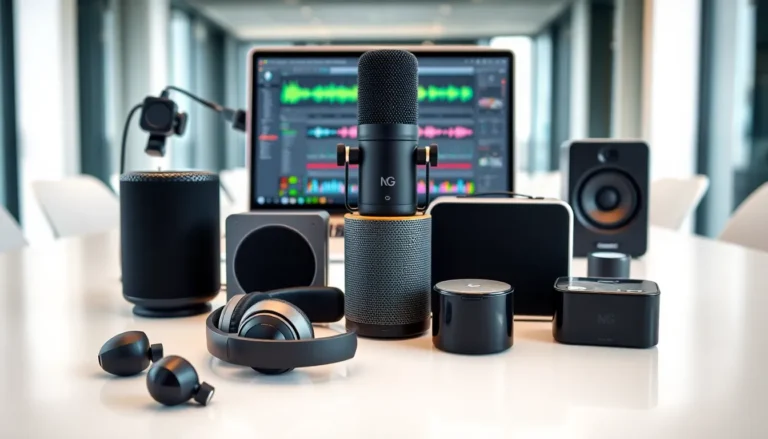
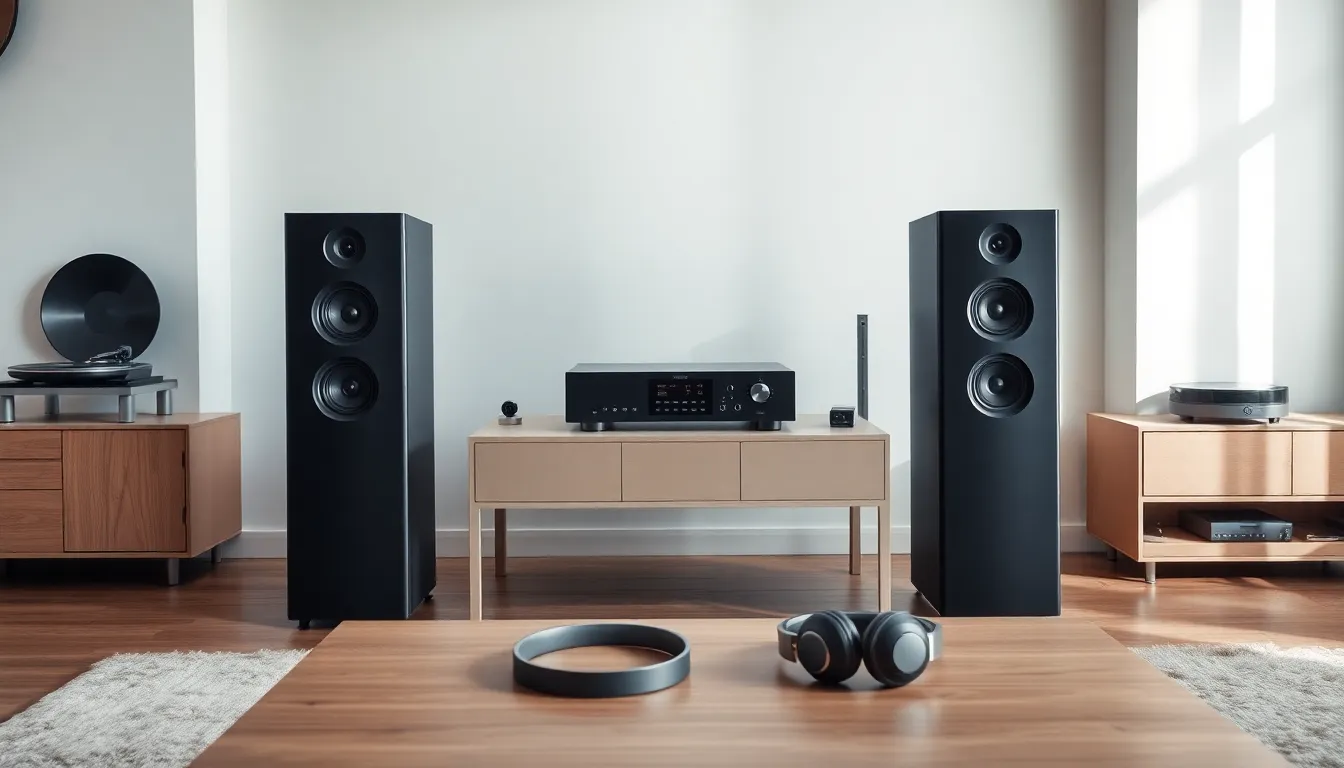
Audio technology shapes how people experience music, movies, podcasts, and everyday communication. From the speakers in a smartphone to professional studio monitors, sound systems have become essential to modern life. This guide breaks down the core concepts, components, and trends driving audio technology today. Whether someone is setting up a home theater or simply curious about how their headphones work, understanding these fundamentals makes a real difference in sound quality and equipment choices.
Table of Contents
ToggleKey Takeaways
- Audio technology converts electrical signals into sound waves through capturing, processing, amplifying, and reproducing sound across all devices from earbuds to concert systems.
- Quality DACs (digital-to-analog converters) significantly improve audio performance, especially when upgrading from built-in phone or computer converters.
- Spatial audio technologies like Dolby Atmos and wireless advancements with Bluetooth codecs are reshaping how people experience immersive sound.
- When choosing audio equipment, match products to your specific use case—home theater, music listening, gaming, or portable needs each require different priorities.
- A $500 audio system often delivers 80% of a $2,000 system’s performance, so allocate your budget strategically across all components rather than overspending on one.
- Room size and acoustics dramatically affect sound quality, making speaker selection and room treatment essential considerations for any audio technology setup.
Understanding the Fundamentals of Audio Technology
Audio technology converts electrical signals into sound waves that human ears can perceive. This process involves capturing, processing, amplifying, and reproducing sound. Every audio system, whether a pair of earbuds or a concert PA system, follows these basic principles.
Sound itself consists of vibrations traveling through air. Audio technology captures these vibrations using microphones, which convert acoustic energy into electrical signals. These signals can then be stored, modified, or transmitted. On the playback side, speakers and headphones reverse the process by converting electrical signals back into sound waves.
Frequency response measures the range of sounds a device can reproduce. Human hearing typically spans 20 Hz to 20,000 Hz. Quality audio equipment aims to cover this full spectrum accurately. Low frequencies produce bass sounds, while high frequencies create treble. The midrange frequencies carry most vocal and instrumental content.
Amplification increases signal strength so speakers can produce audible sound. Without proper amplification, even the best speakers would produce weak, distorted audio. Modern audio technology uses various amplifier classes, each with different efficiency and sound characteristics.
Key Components of Audio Systems
Every audio system relies on several core components working together. Understanding each piece helps buyers make informed decisions and troubleshoot problems effectively.
Source devices provide the audio signal. These include streaming devices, turntables, CD players, and smartphones. The quality of the source material directly affects final sound quality, even the best speakers can’t fix a poorly recorded track.
Digital-to-analog converters (DACs) translate digital files into analog signals. Most modern audio comes from digital sources, making DACs critical for sound quality. Built-in DACs in phones and computers often sacrifice quality for cost savings. External DACs can significantly improve audio performance.
Amplifiers boost signals to power speakers. They come in various types: integrated amplifiers combine a preamp and power amp in one unit. Separate components offer more flexibility and often better performance. Receiver units add radio tuners and input switching to amplification duties.
Speakers are the final link in the audio chain. They convert electrical signals into sound waves. Speaker design varies widely, bookshelf speakers work well in small rooms, while floor-standing models deliver fuller bass response. Subwoofers handle the lowest frequencies that standard speakers struggle to reproduce.
Cables and connections carry signals between components. While expensive cables rarely justify their premium prices, poorly made cables can introduce noise and signal loss. Quality connectors and appropriate cable gauges ensure clean signal transfer.
Digital vs. Analog Audio: Understanding the Difference
The digital versus analog debate continues among audio enthusiasts. Both formats have distinct characteristics that affect sound quality and user experience.
Analog audio represents sound as a continuous electrical signal. Vinyl records and cassette tapes store audio in analog form. Supporters argue analog sounds warmer and more natural. The format captures the full waveform without sampling or compression.
Digital audio converts sound into numerical data. CDs sample audio 44,100 times per second at 16-bit depth. High-resolution formats use higher sample rates and bit depths for greater detail. Digital files resist degradation, they don’t wear out with repeated playback like analog media.
Modern audio technology often blends both approaches. Many listeners prefer vinyl’s character for certain genres while appreciating digital’s convenience and consistency. Streaming services now offer high-resolution audio that rivals or exceeds CD quality. The “best” format eventually depends on personal preference, listening environment, and equipment quality.
Digital audio technology has made music more accessible than ever. Millions of songs fit in a pocket-sized device. But, analog formats have seen a strong resurgence. Vinyl sales have grown consistently over the past decade, proving that older audio technology retains lasting appeal.
Emerging Trends Shaping Audio Technology
Audio technology continues to advance rapidly. Several trends are reshaping how people experience sound.
Spatial audio creates three-dimensional soundscapes. Technologies like Dolby Atmos and Sony 360 Reality Audio place sounds in specific locations around the listener. This creates immersive experiences for music, movies, and gaming. Many streaming platforms now support spatial audio formats.
Wireless audio has matured significantly. Bluetooth codecs like aptX and LDAC now deliver near-lossless quality. True wireless earbuds have become the dominant headphone format. Wi-Fi-based systems like Sonos and Apple AirPlay offer whole-home audio with minimal quality loss.
AI-powered audio processing enhances sound in real time. Noise cancellation algorithms have become remarkably effective. Some systems analyze room acoustics and adjust speaker output automatically. Voice assistants integrate directly into speakers and soundbars.
Sustainable audio equipment addresses environmental concerns. Manufacturers use recycled materials and design products for longer lifespans. Modular designs allow component upgrades without replacing entire systems. This shift benefits both consumers and the planet.
Choosing the Right Audio Equipment for Your Needs
Selecting audio equipment requires matching products to specific use cases and budgets. A few key considerations guide smart purchasing decisions.
Define the primary use case. Home theater systems need different capabilities than music listening setups. Gaming audio prioritizes spatial positioning and low latency. Portable needs favor compact size and battery life over raw performance.
Set a realistic budget. Audio technology spans from affordable to astronomical prices. Diminishing returns kick in quickly, a $500 system often delivers 80% of a $2,000 system’s performance. Allocate funds strategically across the signal chain rather than overspending on one component.
Consider the listening space. Room size and acoustics dramatically affect sound quality. Large speakers overpower small rooms. Conversely, bookshelf speakers may sound thin in spacious areas. Hard surfaces reflect sound and create echoes: soft furnishings absorb excess reflections.
Research before buying. Professional reviews and user feedback reveal real-world performance. Audio technology specifications tell part of the story, but listening tests matter more. Many retailers allow in-store demonstrations or offer return policies for testing at home.
Plan for upgrades. Quality audio systems can last decades. Choosing equipment with standard connections and upgrade paths protects the initial investment. Starting with a solid foundation allows gradual improvements as budget permits.