Great audio technology tips can transform the way people experience music, movies, and podcasts. Whether someone uses budget earbuds or a high-end speaker system, small adjustments often make a big difference. This guide covers the essentials, from understanding sound quality basics to maintaining gear for years of reliable performance. Readers will learn practical strategies to get the most from their audio setup without spending a fortune.
Table of Contents
ToggleKey Takeaways
- Understanding frequency response, dynamic range, and bit depth helps you make smarter audio equipment purchases.
- Match your gear to your listening habits—headphones for isolation and detail, speakers for shared room-filling sound.
- Room acoustics significantly impact sound quality, so use soft materials, proper speaker placement, and bass traps to improve clarity.
- Free software tweaks like EQ adjustments and streaming quality settings can dramatically enhance your listening experience.
- Regular cleaning and proper storage of headphones, speakers, and cables extends their lifespan and preserves sound quality.
- These practical audio technology tips help you maximize your setup without spending extra money.
Understanding Audio Basics and Sound Quality
Sound quality depends on several factors that work together. Before buying new equipment or tweaking settings, it helps to understand what makes audio sound good.
Frequency Response and Dynamic Range
Frequency response describes the range of sounds a device can produce. Human hearing spans roughly 20 Hz to 20,000 Hz. Good speakers or headphones reproduce this full range clearly. Low frequencies create bass, while high frequencies produce treble.
Dynamic range measures the difference between the quietest and loudest sounds a system handles. A wider dynamic range means more detail in quiet passages and more impact during loud moments. This matters especially for classical music and film soundtracks.
Bit Depth and Sample Rate
Digital audio uses bit depth and sample rate to capture sound. Bit depth controls how many volume levels exist between silence and maximum loudness. CD-quality audio uses 16-bit depth. High-resolution files often use 24-bit depth for extra detail.
Sample rate determines how many times per second audio gets recorded. Standard CD quality uses 44.1 kHz. Higher sample rates like 96 kHz or 192 kHz capture more sonic information. But, most listeners won’t notice differences above 48 kHz in casual listening.
These audio technology tips about fundamentals help people make smarter purchasing decisions and optimize their existing gear.
Choosing the Right Audio Equipment for Your Needs
The best audio equipment matches how someone actually listens. A studio engineer needs different gear than a casual podcast listener.
Headphones vs. Speakers
Headphones offer isolation and detail. They work well in apartments, offices, or during travel. Open-back headphones provide a spacious soundstage but leak sound. Closed-back models isolate better and suit noisy environments.
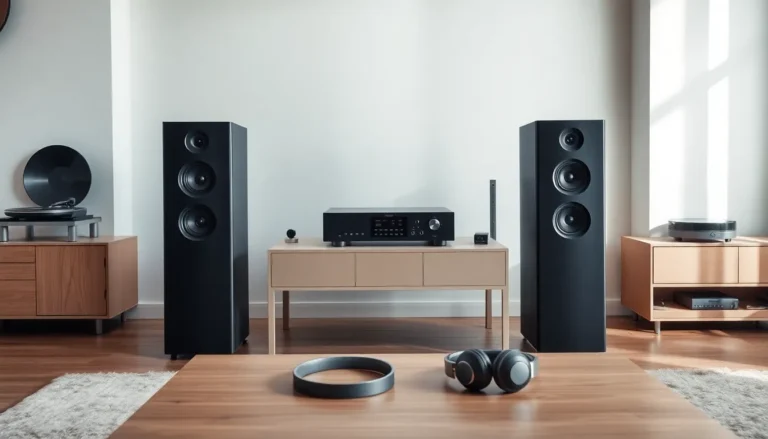
Speakers fill a room and create a shared listening experience. Bookshelf speakers fit small spaces. Floor-standing speakers deliver deeper bass and handle larger rooms. Active speakers include built-in amplifiers, while passive speakers require separate amps.
DACs and Amplifiers
A DAC (digital-to-analog converter) transforms digital files into sound waves. Every phone and computer contains a basic DAC. External DACs often produce cleaner, more detailed audio. Prices range from $30 to thousands of dollars.
Amplifiers power speakers and some headphones. Low-impedance headphones work fine with phones. High-impedance headphones need dedicated amplifiers to reach proper volume levels and sound their best.
Budget Considerations
Spending more doesn’t always mean better sound. A $150 headphone can outperform a $300 model depending on build quality and tuning. Reading reviews and testing gear before buying saves money and disappointment. These audio technology tips help people avoid common purchasing mistakes.
Optimizing Your Listening Environment
Room acoustics affect sound quality more than most people realize. Even expensive speakers sound poor in a bad room.
Room Treatment Basics
Hard surfaces reflect sound and create echoes. Soft materials absorb reflections. Rugs, curtains, and upholstered furniture naturally reduce echo. Dedicated acoustic panels offer more control for serious listeners.
Corners trap bass frequencies and create booming sounds. Bass traps absorb excess low-frequency energy. Placing them in room corners improves clarity and tightens bass response.
Speaker Placement
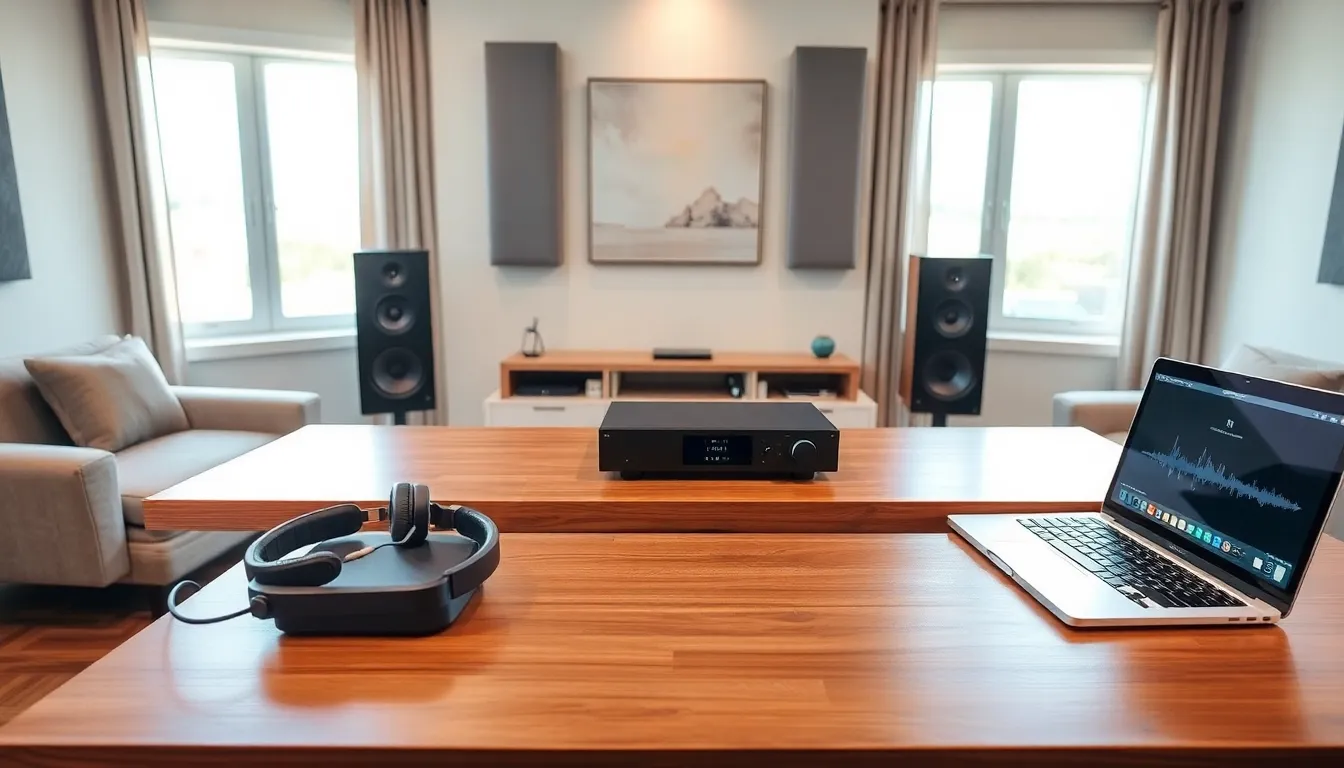
Speaker position dramatically changes sound quality. Most speakers perform best when placed away from walls. Pulling speakers 12-18 inches from the back wall reduces bass buildup.
The listening position matters equally. Sitting at the point of an equilateral triangle formed with the speakers creates the best stereo image. Toe-in (angling speakers toward the listener) can improve focus and detail.
Reducing Noise and Interference
Background noise masks quiet details in music. Air conditioners, refrigerators, and computer fans add unwanted sound. Listening during quieter times or in isolated spaces improves the experience.
Electrical interference causes buzzing and humming in audio systems. Keeping audio cables away from power cables reduces this problem. Ground loop isolators fix persistent hum issues. These audio technology tips help listeners get more from their existing equipment without spending extra money.
Essential Settings and Software Tweaks
Software settings offer free improvements to sound quality. Most devices ship with default settings that aren’t optimal.
EQ Adjustments
Equalization (EQ) adjusts the volume of specific frequency ranges. Boosting bass adds warmth. Reducing harsh frequencies around 3-5 kHz prevents listening fatigue. Small adjustments of 2-3 dB usually work better than extreme changes.
Many streaming apps include built-in EQ. System-wide EQ software like Equalizer APO (Windows) or eqMac provides more control. Preset profiles work as starting points, but custom adjustments match individual preferences and hearing.
Streaming Quality Settings
Spotify, Apple Music, and other services default to compressed audio on mobile data. Switching to “Very High” or “Lossless” settings improves quality significantly. The difference becomes obvious on good headphones or speakers.
Downloading music for offline listening ensures consistent quality regardless of network conditions. This also reduces data usage over time.
Driver and Firmware Updates
Audio device manufacturers release updates that fix bugs and improve sound. Checking for DAC firmware updates, soundcard drivers, and app updates keeps systems running well. These audio technology tips require minimal effort but yield real improvements.
Maintaining Your Audio Gear for Longevity
Proper care extends equipment lifespan and preserves sound quality. Most audio gear lasts many years with basic maintenance.
Cleaning Headphones and Earbuds
Earwax and debris accumulate on earbuds and in-ear monitors. This buildup blocks sound and affects frequency response. Cleaning tips with a dry brush or cloth weekly prevents problems. Isopropyl alcohol on a cotton swab removes stubborn residue.
Headphone earpads absorb sweat and oils. Wiping them down after use prevents material breakdown. Replacing worn earpads restores comfort and often improves sound isolation.
Caring for Speakers and Cables
Dust accumulates on speaker drivers and grilles. Soft brushes or microfiber cloths remove dust without damaging delicate components. Compressed air works for hard-to-reach areas.
Cables develop problems at connection points. Avoiding sharp bends and storing cables loosely prevents internal wire damage. Replacing frayed or damaged cables immediately protects connected equipment.
Storage and Protection
Extreme temperatures damage audio equipment. Leaving headphones in hot cars degrades adhesives and warps plastic. Cold temperatures affect battery performance in wireless devices.
Cases and stands protect gear from drops and scratches. Proper storage also prevents cables from tangling and breaking. These audio technology tips help preserve investments and maintain performance over years of use.