Gadgets vs. gizmos, most people use these words interchangeably, but they actually mean different things. Both terms describe small mechanical or electronic devices, yet each carries its own distinct flavor. A gadget typically solves a specific problem. A gizmo often feels more whimsical or mysterious. Understanding this distinction helps people communicate more precisely about technology and everyday tools. This article breaks down the key differences between gadgets and gizmos, provides clear examples, and explains when to use each term correctly.
Table of Contents
ToggleKey Takeaways
- Gadgets are small devices with clear, specific purposes—like smartphones, fitness trackers, and smart home devices.
- Gizmos describe unfamiliar or mysterious items, often used as a placeholder when the real name or function is unknown.
- The gadgets vs. gizmos distinction depends on perception: the same device can be a gadget to one person and a gizmo to another.
- Use “gadget” when discussing technology professionally or when the device’s purpose is well understood.
- Use “gizmo” in casual conversation, when something seems whimsical, or when you’ve forgotten what an item is called.
- Understanding these terms helps you communicate more precisely about technology and everyday tools.
What Defines a Gadget
A gadget is a small device designed to perform a specific function. The word first appeared in the 19th century and quickly became associated with clever, practical inventions. Gadgets solve problems. They make tasks easier, faster, or more convenient.
Think about smartphones, fitness trackers, or electric can openers. Each gadget serves a clear purpose. Users buy gadgets because they need them to accomplish something specific. A smartphone handles communication, internet access, and countless apps. A fitness tracker monitors steps, heart rate, and sleep patterns. An electric can opener does exactly what its name suggests.
Gadgets share several common traits:
- Functionality: Every gadget has a defined job.
- Practicality: People use gadgets regularly because they’re useful.
- Innovation: Gadgets often incorporate new technology or improved designs.
- Portability: Most gadgets are small enough to carry or store easily.
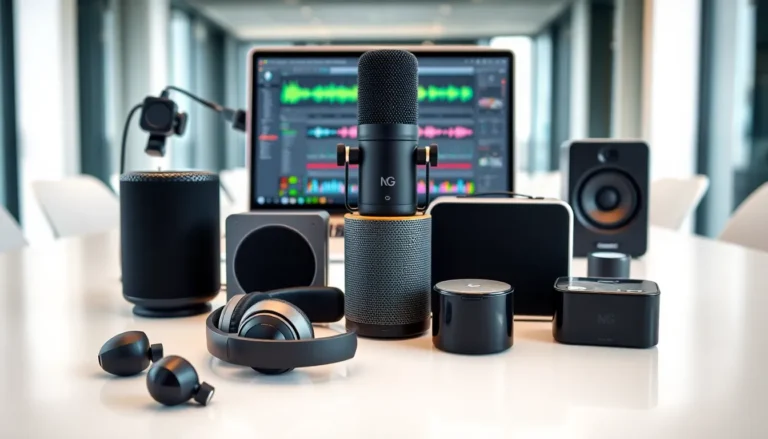
The gadget category has expanded dramatically in recent decades. Consumer electronics now dominate this space. Wireless earbuds, portable chargers, smart home devices, all qualify as gadgets. They exist because people identified problems and engineers created solutions.
Gadgets also tend to have recognizable names. People know what a tablet is. They understand what a drone does. The term “gadget” implies familiarity and purpose. When someone mentions a gadget, listeners expect to hear about something useful and understandable.
What Makes Something a Gizmo
A gizmo is harder to pin down. The word suggests mystery, novelty, or confusion. People often call something a gizmo when they don’t know its proper name or can’t immediately identify its purpose.
The term “gizmo” entered American slang in the 1940s, possibly from military jargon. Sailors and soldiers used it to describe unfamiliar equipment or unnamed parts. This origin explains why gizmo still carries a sense of the unknown.
Gizmos share these characteristics:
- Ambiguity: The function isn’t immediately obvious.
- Novelty: Gizmos often seem strange or unusual.
- Whimsy: The word has a playful, almost silly quality.
- Placeholder status: People use “gizmo” when the real name escapes them.
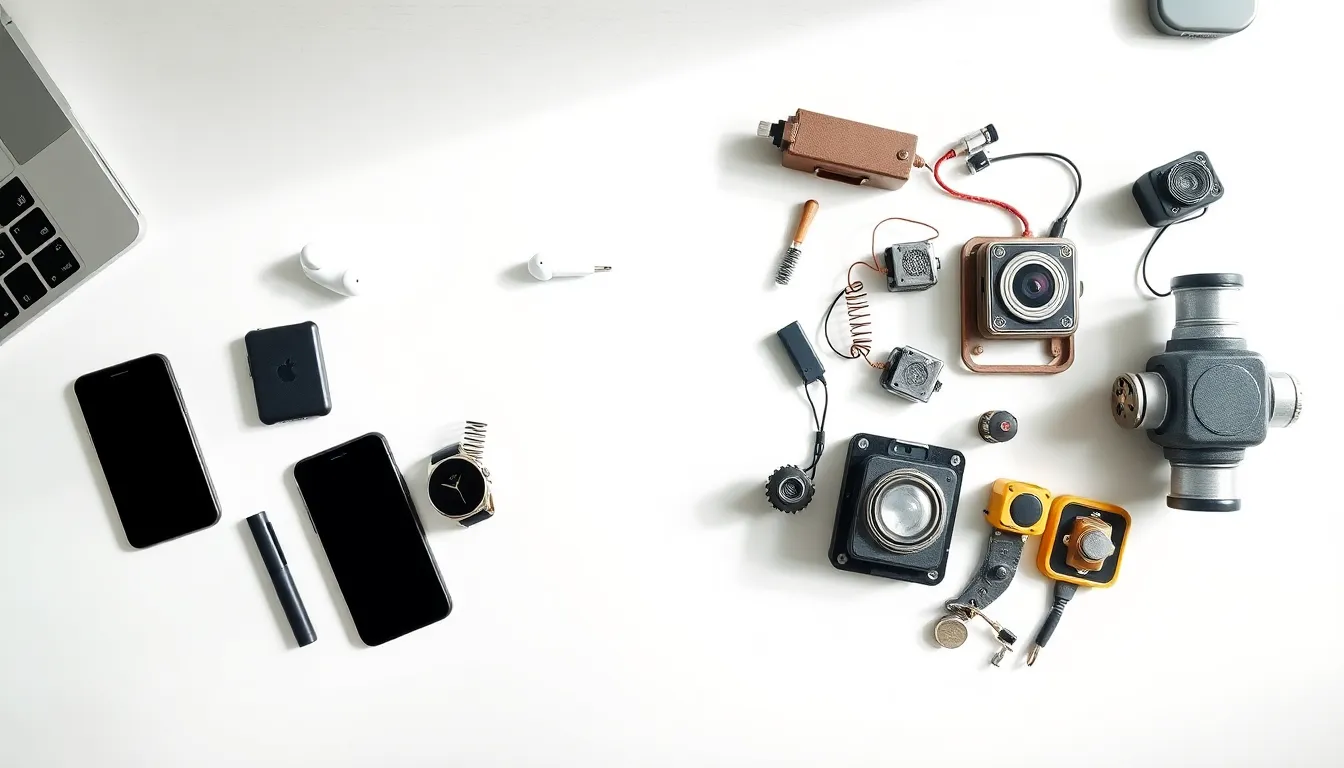
Imagine opening a drawer full of random items. That metal thing with the spring? That’s a gizmo. The plastic doohickey with the blinking light? Also a gizmo. The term works as a linguistic placeholder when precise vocabulary fails.
Gizmos can actually be useful devices. The difference lies in perception, not function. A can opener becomes a gizmo when someone forgets what it’s called. A complex kitchen tool becomes a gizmo when its purpose confuses the user. Context determines whether something earns the gadget or gizmo label.
Some products embrace the gizmo identity deliberately. Novelty items, joke gifts, and quirky inventions often market themselves as gizmos. The word suggests fun and curiosity rather than serious utility.
Core Differences Between Gadgets and Gizmos
The gadgets vs. gizmos debate comes down to several key distinctions. Understanding these differences helps people choose the right word for any situation.
Purpose and Clarity
Gadgets have clear purposes. Users know what gadgets do and why they need them. Gizmos lack this clarity. Either the speaker doesn’t understand the device’s function, or the function seems secondary to novelty.
Familiarity
Gadgets feel familiar. People recognize gadgets and use them confidently. Gizmos feel foreign or puzzling. The word itself signals uncertainty or unfamiliarity.
Tone and Connotation
Gadgets sound serious and practical. Technology journalists write about gadgets. Product reviewers test gadgets. The word carries professional weight.
Gizmos sound casual and playful. Grandparents might call a new smartphone a gizmo. The word suggests amusement, confusion, or gentle dismissal.
Naming Conventions
Gadgets have proper names. People refer to specific gadgets by brand or type. Gizmos rarely have names, that’s often why people call them gizmos in the first place.
| Factor | Gadgets | Gizmos |
|---|---|---|
| Purpose | Clear and defined | Unclear or unknown |
| Familiarity | High | Low |
| Tone | Professional, practical | Casual, whimsical |
| Naming | Specific names exist | Placeholder term |
| User confidence | Users understand them | Users feel confused |
Both words describe small devices. The distinction lies entirely in how speakers perceive and understand those devices.
Everyday Examples of Each
Real-world examples make the gadgets vs. gizmos distinction crystal clear. Here’s how each term applies to common items.
Classic Gadgets
- Smartphones: Everyone knows what they do. Smartphones are quintessential gadgets.
- Smartwatches: They track health, display notifications, and tell time. Clear purpose, clear gadget.
- Bluetooth speakers: Portable audio devices with obvious functions.
- USB flash drives: Small, useful, universally understood.
- Digital cameras: Dedicated devices for photography.
These gadgets share immediate recognition. Someone says “smartphone,” and listeners picture exactly what that means.
Things People Call Gizmos
- Unitaskers in kitchen drawers: That avocado slicer you used once.
- Mystery parts: Hardware pieces without obvious homes.
- Unfamiliar tech: Any device outside someone’s experience.
- Novelty items: Products designed more for entertainment than utility.
- Forgotten tools: Items purchased years ago whose purpose faded from memory.
Notice the pattern. Gizmos aren’t inherently useless. They’re just unfamiliar or unclear to the person describing them.
The Same Item, Different Labels
A universal remote control is a gadget to tech enthusiasts. It’s a gizmo to someone’s grandmother. A 3D printer is a gadget to makers and designers. It’s a gizmo to people who’ve never seen one operate. The label depends entirely on the observer’s relationship with the device.
Choosing the Right Term
Knowing when to say gadget versus gizmo helps people communicate clearly. Here’s a quick guide for everyday use.
Use “gadget” when:
- The device has a known name and purpose
- The audience will understand what you mean
- You want to sound informed or professional
- You’re discussing technology seriously
Use “gizmo” when:
- You’ve forgotten what something is called
- The device seems strange or unfamiliar
- You want to sound casual or humorous
- You’re dismissing something as unnecessary
Writers and speakers should consider their audience. Tech publications stick with “gadget” because readers expect precision. Casual conversation accommodates “gizmo” because listeners understand the implied uncertainty.
The gadgets vs. gizmos choice also reflects attitude. Calling a new device a gadget shows respect for its purpose. Calling it a gizmo might suggest skepticism or confusion. Neither choice is wrong, they simply communicate different feelings about the same object.
Some people use both words interchangeably, and that’s fine in casual settings. But understanding the subtle difference helps writers and speakers choose the perfect word for each situation.